

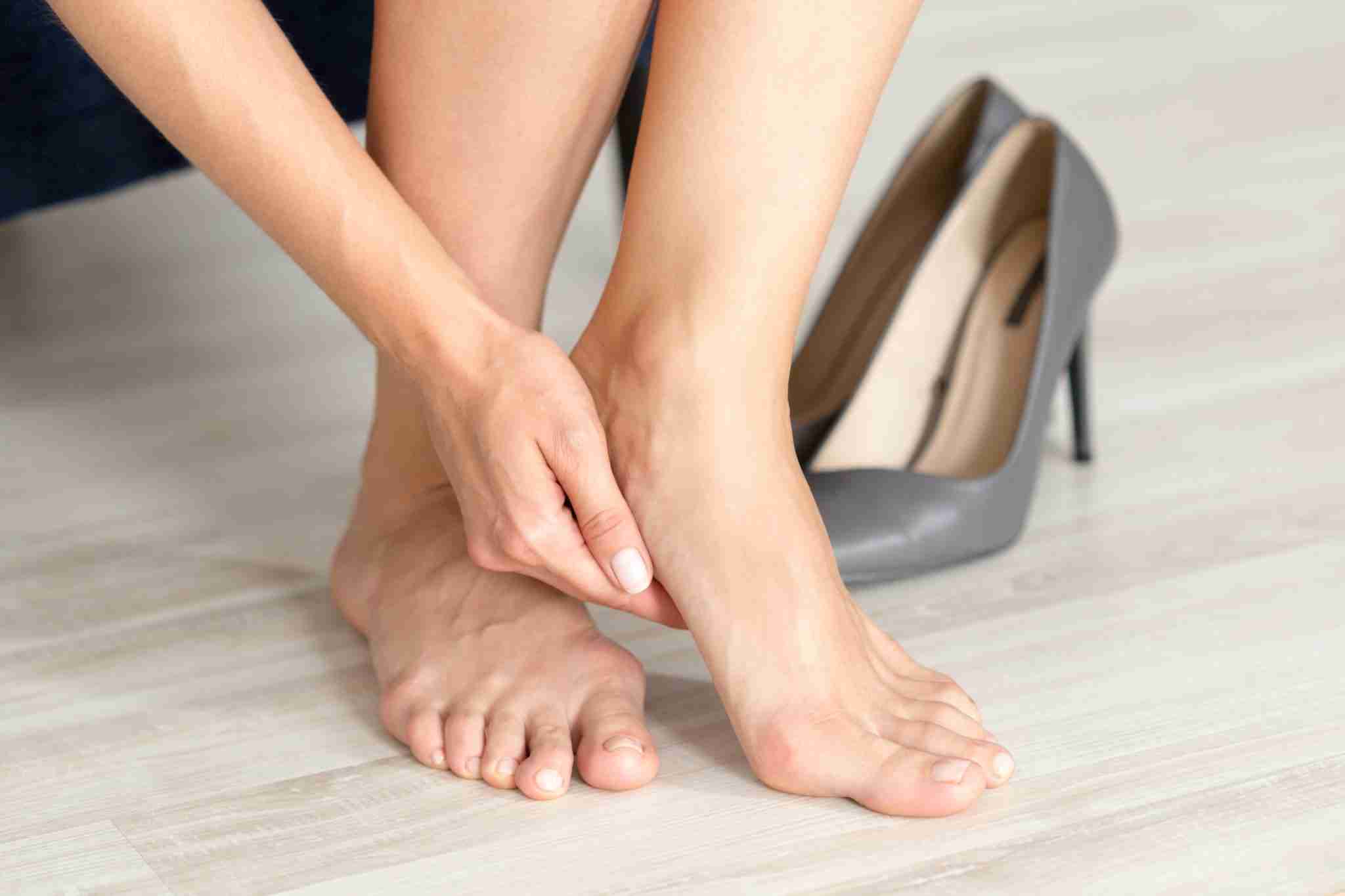
Foot pain is a common issue that affects people of all ages, and in many cases, it is not caused by a direct injury. Instead, foot pain often serves as a warning signal, much like the check engine light on your car, indicating that something is wrong with the foot. One of the most frequent causes of foot pain is a condition known as plantar fasciitis. Understanding this condition, its causes, and how to alleviate the pain can help you take the right steps to improve your foot health, and learn where to buy plantar fasciitis insoles.
Understanding Plantar Fasciitis
Plantar fasciitis is a condition characterized by pain in the heel or arch of the foot, especially after rest periods. This often occurs when getting out of bed in the morning or standing up after sitting for an extended time. The pain may subside with activity, but not always. For many people, the pain can be severe, often rated as 8 out of 10 on the pain scale, and can make walking difficult.

Interestingly, plantar fasciitis is not typically accompanied by visible signs of injury, such as swelling or bruising, and there is usually no specific event that triggers the pain. This makes it different from other types of foot pain that result from trauma or injury.
Causes of Plantar Fasciitis
The primary cause of plantar fasciitis is a lack of flexibility in the plantar fascia, a ligament that runs along the bottom of your foot from your toes to your heel. The plantar fascia is similar to a bowstring, with the arch of your foot acting as the bow. When your toes, especially your big toe, move upward, the plantar fascia is stretched.
If your big toe is not moving properly, the plantar fascia becomes tight and loses its flexibility. This lack of flexibility can lead to the development of plantar fasciitis, as the plantar fascia is not able to stretch and support the foot’s movement effectively. Additionally, a tight Achilles tendon can contribute to plantar fasciitis, as it pulls on the plantar fascia and causes further tension.

Treatment for Plantar Fasciitis
A critical component of treating plantar fasciitis is restoring the motion of the big toe. As the big toe moves upward, it stretches the plantar fascia and helps to form the foot’s arches, which support the foot’s stability during movement.

Without this flexibility, both the Achilles tendon and the plantar fascia can become tight, exacerbating the condition.
One solution to restore big toe motion is using insoles designed to promote proper foot mechanics. For example, Cluffy Insoles feature patented technology that encourages natural movement of the big toe. The gel cushion in the heel also helps reduce stress on the heel during activities such as walking, running, or jumping. By wearing these insoles, your plantar fascia can be stretched naturally with each step, promoting the formation of arches and allowing your ankle and Achilles tendon to move normally.

What to Expect During Recovery
With the proper use of insoles and adherence to a recovery plan, you can expect to see improvement in your plantar fasciitis symptoms within a few days to a few weeks. Incorporating exercises that stretch the plantar fascia and Achilles tendon can further enhance recovery. Additionally, icing your heel twice a day—once in the morning and once at night—can help reduce pain and inflammation.
If the pain persists or worsens, it is essential to consult a foot specialist to rule out other conditions or ensure that your treatment plan is on track.
Heel Spurs: A Common Misconception
Many people with heel pain assume they have a heel spur, and some believe that removing the spur is the solution. However, heel spurs do not directly cause pain, nor do they correlate with the severity of the pain. A heel spur forms as a result of prolonged tension on the plantar fascia, where it pulls on the heel bone. This pulling causes the covering of the bone to separate slightly, allowing the body to form a spur beneath it as part of the healing process.
The presence of a heel spur is simply an indication that the plantar fascia has been tight for a long time. Treatment for plantar fasciitis remains the same, whether or not a heel spur is present. Surgery is rarely necessary to remove a heel spur, as addressing the underlying cause of plantar fasciitis is typically sufficient to alleviate the pain.
Buy Plantar Fasciitis Insoles From Cluffy Insoles
Foot pain, particularly from plantar fasciitis, can be debilitating, but it is often treatable with the right approach. Addressing the root causes, such as tightness in the plantar fascia and Achilles tendon, is essential for long-term relief. Wearing specially designed insoles, like Cluffy Insoles, can help restore natural movement to your foot, reduce pain, and improve flexibility. With consistent use, each step you take can become part of your recovery process, helping you get back to living a pain-free life.
If you’re suffering from plantar fasciitis, now is the time to act. Buy plantar fasciitis insoles from Cluffy.com today and experience the difference they can make for your feet.









Share: